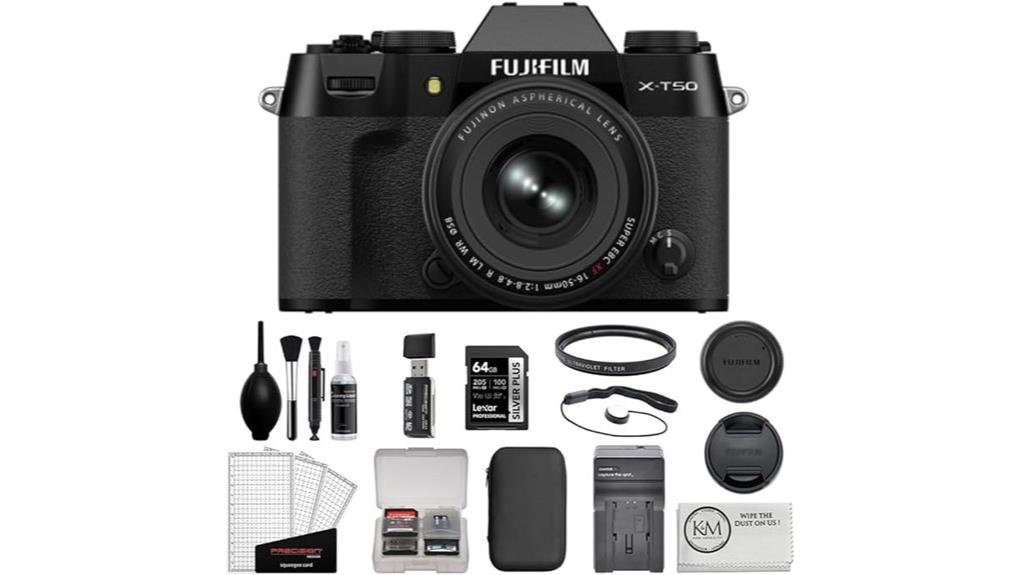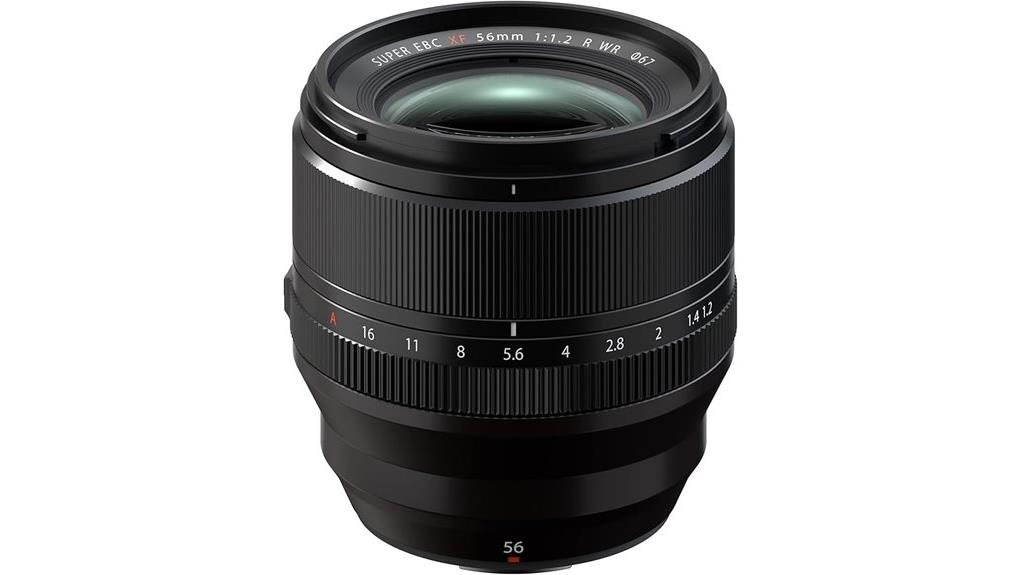
You’ll get an exceptionally sharp, weather‑sealed 85mm‑equivalent portrait lens that delivers f/1.2 subject isolation with cinema‑grade micro‑contrast and smooth 11‑blade bokeh. Chromatic aberration and spherical errors are tightly controlled by ED and aspherical elements, and center‑to‑edge detail stays strong even wide open. AF is fast and repeatable with minimal breathing, and the build’s sealed and lightweight for field work. Keep going and you’ll find practical techniques, comparisons, and buying advice.
Some Key Takeaways
- Exceptional center-to-edge sharpness even at f/1.2, resolving fine detail and strong micro-contrast.
- Creamy, smooth bokeh with 11-blade diaphragm and controlled spherical aberration for pleasing portrait separation.
- Fast, reliable DC autofocus with minimal hunting and very well-controlled focus breathing for stills.
- Robust weather-sealed build (nine gaskets, fluorine coating) and compact 445 g design for handheld portability.
- Priced above f/1.4/1.8 alternatives but offers near 85mm f/1.2 performance, ideal for portraitists prioritizing shallow DOF.
Optical Performance and Bokeh: Sharpness, Aberrations, and Highlight Roll-Off
While you’ll immediately notice strong center-to-edge sharpness even wide open at f/1.2, the XF56mmF1.2 R WR keeps fine detail and micro-contrast well controlled across the frame, thanks to its 13-element design and high-refractive cinema-derived focusing group. You’ll resolve hair and fabric at close distances with minimal curvature of field. Chromatic aberration is suppressed effectively by the ED and aspherical elements, only appearing in extreme high-contrast edges. Bokeh texture is smooth, aided by the 11-blade diaphragm and careful spherical aberration control; highlight roll-off is gradual, with low light bleed and clean circular highlights. This makes it a compelling choice for photographers who want exceptional portrait and close-up rendering with macro-focused techniques.
Autofocus, Handling, and Weather Resistance in Real‑World Shooting
Because Fujifilm equipped the XF56mmF1.2 R WR with a DC autofocus motor and an optimized manual-focus ring, you’ll get fast, low-friction AF acquisition and precise manual adjustments for shallow-depth-of-field work. You’ll notice reliable, repeatable tracking on modern X-series bodies; hunting is minimal even in low light. The lens’s rugged build and compact mass balance well on handheld bodies, aiding stability and ergonomics during extended shoots. Focus breathing is very well controlled for stills, producing negligible framing shift when racking focus. Weather sealing with nine rubber gaskets and fluorine coating keeps the lens operational in wet, cold conditions. The review and selection of compatible accessories are especially useful for readers of a camera gear guide.
Using F/1.2: Depth‑Of‑Field Control, Focus Tactics, and Close‑Focus Behavior
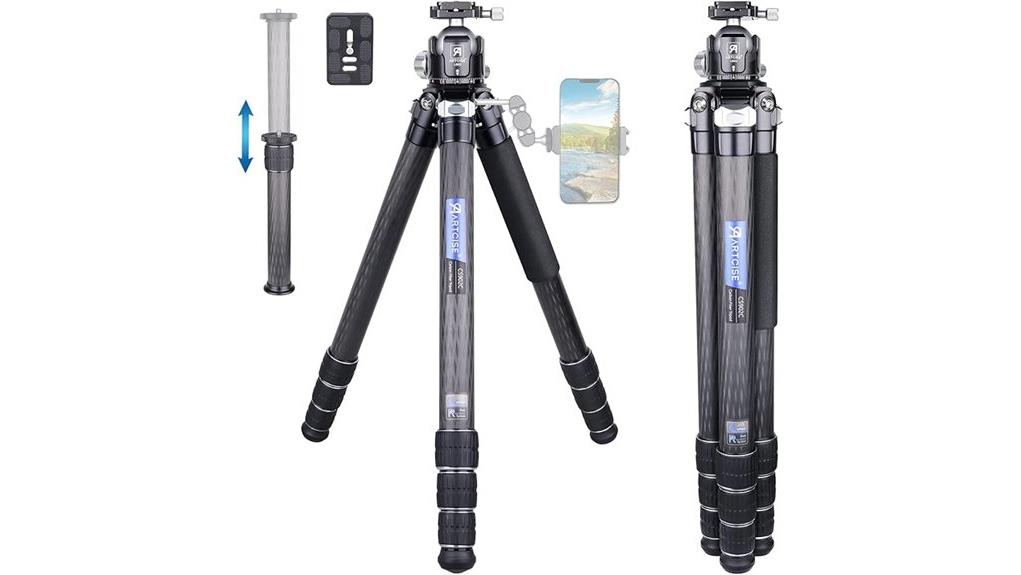
When you open the XF56mm to f/1.2 you get razor-thin depth of field that demands precise focusing and deliberate composition. You’ll exploit subject isolation for portraits, but accept a sliver of plane of focus — eye sharpness hinges on spot-on AF or careful manual pulls. At close focus distances shallow DOF tightens further; focus breathing is minimal but noticeable during handheld focus shifts, so recompose sparingly. Metering stays stable, yet you may need negative exposure compensation to preserve highlight detail at wide open. Use back-button AF, single-point AF, or calibrated manual focus peaking for repeatable, reliable results. For stable results with portrait setups, consider pairing the lens with a sturdy tripod head like a ball head to ease composition and micro-adjustments.
How It Compares to Competing 85mm‑Equivalent Primes (Price, Weight, Image Look)
Though the XF56mmF1.2 sits squarely in the classic 85mm-equivalent portrait niche, you’ll notice it competes on three fronts: price, heft, and image character. In a strict price comparison, Fuji sits mid-to-high: you pay a premium for f/1.2 performance versus many f/1.8 or f/1.4 alternatives, but often undercutting full-frame 85mm f/1.2 options. At 445 g the weight tradeoffs favor Fuji over heavier full-frame Zeiss and Canon Art counterparts, making handheld use easier. Optically you get a distinct XF look—high microcontrast, creamy 11-blade bokeh, and controlled aberrations—versus warmer or softer competitors. The lens is a favorite among mirrorless camera enthusiasts for its balance of size, price, and image quality, reflecting the priorities of the mirrorless camera community.
Who Should Buy the XF56mmF1.2 R WR and Practical Buying Recommendations
If you prioritize shallow-depth-of-field control, high-resolution portrait sharpness, and reliable weather resistance, the XF56mmF1.2 R WR is a strong choice for X‑mount shooters who need a compact, fast portrait prime. You’ll appreciate its f/1.2 optical design, low aberration control, and 11‑blade diaphragm for clean bokeh. Wedding shooters will find the weather sealing, fluorine coating, and fast DC AF practical on unpredictable jobs. Value seekers should weigh stellar image quality against price and lack of in‑lens stabilization; pair it with a stabilized body or higher-ISO capable X series camera. Buy used or new depending on budget and warranty needs. Its combination of a compact form factor and extraordinary optical performance makes it especially appealing to photographers focused on telephoto lens mastery.
Some Questions Answered
Does the Lens Accept 62MM Screw-On Filters Without Vignetting at F/1.2?
Yes — you can use 62mm screw‑on filters and you won’t get noticeable vignetting at f/1.2 on this design. Filter compatibility is native to the 62mm thread, and the optical layout maintains edge sharpness well even wide open. Expect minimal light falloff, with chromatic and spherical corrections reducing corner degradation. For critical work, test your specific filter stack, but typical slim filters won’t compromise image quality.
Is the Front Element Fixed or Does It Rotate During Focusing?
The front element is fixed during focusing, so it won’t rotate. You’ll avoid twisting filters while you rack focus, which helps maintain consistent bokeh rendering with threaded polarizers or grads. Fixed-front design also minimizes focus breathing compared with designs that shift large groups, though some breathing still occurs at close distances. Overall, the stable front element gives predictable flare control and consistent out-of-focus character for technical, portrait, and product work.
Can the Lens Be Used Successfully for Video/Dslr-Style Cinematic Footage?
Yes — you can use it for cinematic footage. You’ll get a cinematic look from f/1.2’s extreme subject isolation and smooth bokeh; minimal focus breathing and reduced aberrations help maintain image quality during pulls. DC AF is usable, but you’ll likely prefer manual follow focus for precise rack focusing and shallow DOF control. Weather sealing and robust optics make it reliable on shoots, though handheld stabilization may be needed for long takes.
How Does the Lens Perform on Older Non-Wr Fuji Bodies Regarding Autofocus Speed?
You’ll notice slower AF on older bodies; autofocus speed drops compared with newer X-series. Expect occasional focus hunting, especially in low light or with busy backgrounds, since many older cameras rely on contrast detection. Firmware influence matters: updated body firmware can improve AF responsiveness and reduce hunting. Overall it’s usable for stills and some video, but you’ll get more consistent, faster focus on modern bodies with phase-detect AF support.
Are Third-Party Lens Hoods or Cases Compatible With the XF56MMF1.2 R WR?
Yes — third party compatibility is generally good; you can use aftermarket hoods and cases designed for the XF56mmF1.2. Check mount diameter and profile to guarantee hood fitment clears the front element and won’t vignette at wide apertures. For cases, confirm internal padding dimensions and weather resistance match the lens’ 445 g weight and WR seals. You’ll avoid issues by buying from reputable makers and verifying return policies.