You’ll get a compact, fast 24mm-equivalent APS-C prime that pairs f/1.4 low-light speed with strong center resolution and pleasing bokeh. The optical formula (two aspherical, two SLD, three FLD) plus multi-layer coatings keeps chromatic and flare issues in check while weather seals and a 67mm filter thread boost practicality. Autofocus is quiet and predictable for video, and included extras make it travel-ready. Keep going and you’ll find detailed performance, use cases, and alternatives.
Some Key Takeaways
- Fast f/1.4 aperture with 24mm-equivalent wide-angle framing delivers strong low-light performance and shallow depth control for APS-C cameras.
- Optical design (2 aspherical, 2 SLD, 3 FLD) and Super Multi-Layer Coating yield high center resolution, controlled aberrations, and limited ghosting.
- Smooth, pleasing bokeh with slight onion-ring texture in specular highlights; edges improve notably by f/2–f/4, peaking around f/4–f/5.6.
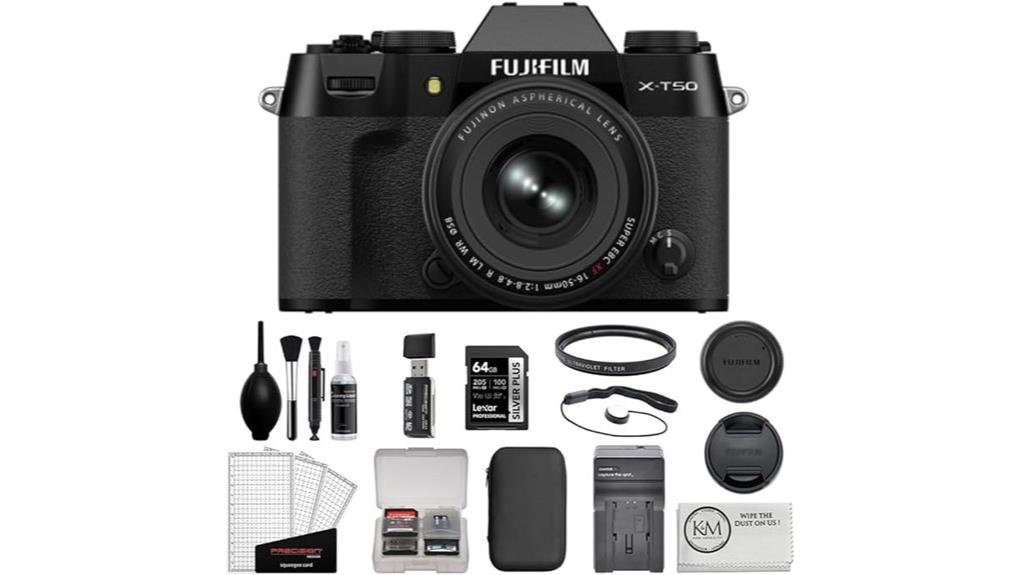
- Weather-resistant build, 67mm filter thread, and included hood/UV filter plus a 64GB card and backpack enhance out-of-the-box practicality.
- Excellent for vloggers, travel shooters, and beginner filmmakers seeking compact, quiet AF and minimal focus breathing for video.
What the Sigma 16MM F/1.4 Is and Who It’s for
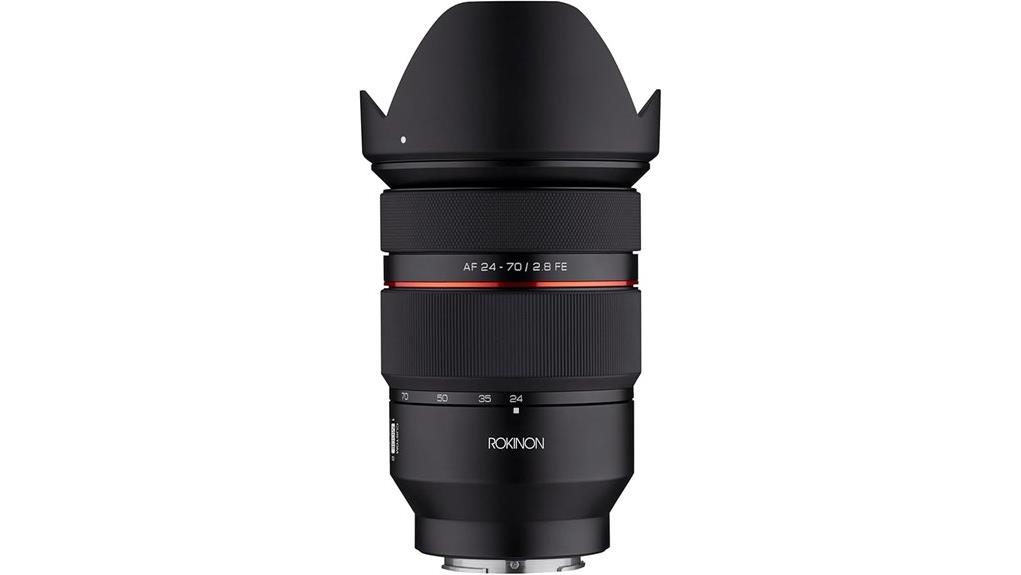
What makes the Sigma 16mm f/1.4 distinct is its combination of wide-angle reach, fast f/1.4 aperture, and optical sophistication tailored for APS-C mirrorless systems. You’ll find a lens that prioritizes low-light performance, shallow depth control, and edge-to-edge sharpness for 24mm equivalent framing. It suits aspiring vloggers who need stellar subject separation, compact travel shooters wanting lightweight wide coverage, creative street photographers seeking environmental context, and beginner filmmakers requiring cinematic shallow focus without bulky glass. You’ll appreciate predictable autofocus, robust coatings, and performance that balances resolution with manageable distortion for versatile run-and-gun use. It’s an excellent choice for photographers focused on wide-angle lenses and related accessories.
Key Specs and Build: Optical Design, Weather Sealing, and Included Accessories
Although compact, the Sigma 16mm f/1.4 packs a sophisticated optical recipe—two aspherical, two SLD, and three FLD elements with Super Multi-Layer Coating—engineered to control aberrations, flare, and chromatic errors across the APS-C frame. You’ll notice robust build quality with weather resistance for field use; seals at mechanical interfaces reduce dust and moisture ingress. Optical coatings limit ghosting and maintain contrast under backlight. Filter compatibility is straightforward via the 67mm thread and included Tiffen UV protector, which adds physical protection without affecting color. Package completeness—hood, front and rear caps, memory card, backpack—boosts out-of-box usability. Essential lens gear for enthusiasts often includes complementary accessories like cleaning kits and protective cases to get the most from your equipment, as highlighted by Essential Lens Gear.
Image and Video Performance: Sharpness, Bokeh, Autofocus, and Low-Light Tests
Start by testing sharpness across the frame at common working apertures: the Sigma 16mm f/1.4 delivers very strong center resolution wide open with microcontrast that renders fine detail cleanly on APS-C sensors, while edge and corner acuity improve noticeably by f/2–f/4 and reach peak uniformity around f/4–f/5.6. You’ll find smooth, pleasing bokeh for foreground separation, though specular highlights show slight onion-ring texture. Autofocus is quick and quiet with reliable tracking for handheld video; minimal focus breathing aids framing. Chromatic aberration is well controlled by design and coating, and low-light performance is excellent at f/1.4. This lens is a great fit for enthusiasts looking to master prime lenses for stunning photography.
Real-World Use Cases: Landscape, Astrophotography, Vlogging, and Run-and-Gun Filming
When shooting landscapes, astrophotography, vlogs, or run-and-gun projects, the Sigma 16mm f/1.4 gives you a versatile balance of wide coverage, low-light capability, and clean rendering that fits each use case. For landscapes you’ll exploit the 24mm equivalent field to capture expansive scenes with minimal focal compression; correct mild lens distortion in post for straight horizons. For astrophotography the f/1.4 aperture and optical formula deliver usable stars and tight coma control at edges. For vlogging and run-and-gun filming the wide view, smooth autofocus, weather-sealing, and included hood/filter make handheld work reliable and quick to deploy. This versatility pairs well with choosing the right tripod for stability and composition, especially when shooting landscapes or low-light scenes with perfect tripods.
Value and Verdict: Price, Alternatives, and Who Should Buy This Bundle
Having seen how the Sigma 16mm f/1.4 performs across landscapes, astrophotography, vlogging and run-and-gun work, you can now assess whether the bundled package delivers strong value for its price. The kit pairs a high-performing f/1.4 APS-C prime with weather sealing, UV filter, hood, caps, 64GB V30 card and padded backpack — reducing peripheral purchase costs. For you, this is cost-efficient if you need immediate out-of-the-box functionality. Consider affordable alternatives if budget is tight: third-party primes or kit lenses without extras. Buyer demographics: enthusiast videographers, astro hobbyists, and hybrid shooters who prioritize optics and convenience. This package is especially useful for photographers who often travel and need reliable gear that won’t require frequent battery or accessory upgrades, thanks to its focus on camera battery compatibility and practical extras.
Some Questions Answered
Is the Lens Compatible With Full-Frame Sony Bodies?
No — it’s not natively compatible with full frame Sony bodies. The lens is designed for APS-C (crop) sensors, so on a full frame Sony you’ll get vignetting or the camera will switch to crop mode. You can use mount adapters, but expect reduced coverage and possible optical compromises; adapters won’t convert the image circle to full frame. For full-frame compatibility, choose a native full-frame lens or a dedicated full-frame adapter solution.
Can I Use This Lens for Macro or Close-Up Photography?
No — it isn’t a true macro lens. You can do close-up shots, but its close focus capabilities are limited by a modest maximum magnification and minimum focus distance, so you won’t get 1:1 reproduction. You’ll need to mind working distance considerations: you’ll have to get fairly close to subjects, which can disturb small creatures or limit lighting. For true macro detail, use a dedicated macro lens or extension tubes.
Does the UV Protector Affect Autofocus or Image Quality?
No — the UV protector won’t measurably degrade autofocus or image quality. You’ll get negligible filter influence because the Tiffen ColorCore coating preserves contrast and color; it simply blocks UV and protects the front element. Focus performance remains controlled by the lens’ motor and optics, not the thin protective glass. Only remove it if you need absolute peak performance for critical low-light or ultra-wide flare-sensitive scenarios.
What Warranty and Service Options Are Included?
You get limited manufacturer warranty coverage that protects defects in materials and workmanship for a specified period (check your regional terms). You’ll need proof of purchase for claims. Sigma and authorized dealers offer repair through regional service centers; they handle diagnostics, repairs, parts replacement, and calibration. Out-of-warranty service is available for a fee. You should register the product and retain receipts to streamline warranty service requests and tracking.
Are Lens Caps and Hood Compatible With Other Sigma Lenses?
Yes — the included caps and hood are generally compatible with other Sigma lenses that share the same 67mm filter thread and similar barrel geometry. You’ll get reliable cap fitment on any Sigma lens with a 67mm thread; lens interchangeability for the petal hood depends on front element size and mounting bayonet clearance. Evaluate physical fit and vignetting risk before regular use; optical performance remains unaffected by caps or hoods.