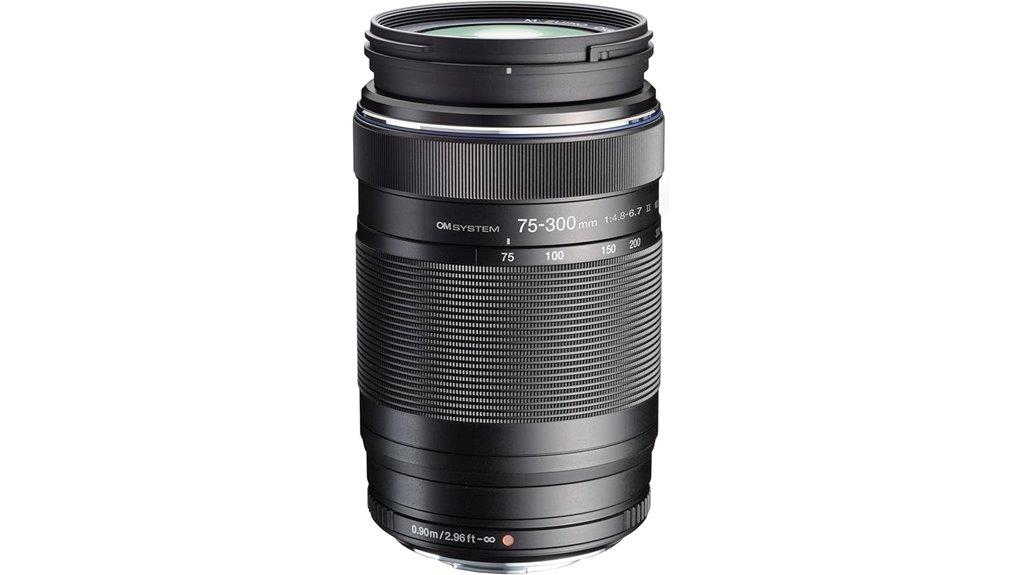
You’ll get a surprisingly long, lightweight telephoto that trades low‑light headroom for portability and reach on Micro Four Thirds. Center sharpness is strong through the zoom, with slight softening wide‑open at 300mm that benefits from stopping down. MSC autofocus is quiet and quick for birds and sports, though handling at full extension demands bracing. Watch for filter vignetting, limited teleconverter use, and modest aperture limits; keep going to see detailed performance, tips, and alternatives.
Some Key Takeaways
- Lightweight Micro Four Thirds telezoom delivering 150–600mm full-frame equivalent reach in a compact, travel-friendly package.
- Aperture F4.8–6.7 limits low-light performance but keeps size and weight manageable for handheld use.
- Strong center sharpness across the range, with slight softening wide-open at 300mm; stop down one to two stops for best detail.
- MSC autofocus is fast and quiet, offering reliable tracking for birds and distant sports on compatible MFT bodies.
- Limited weather sealing, filter/flash constraints, and modest teleconverter support restrict harsh-weather use and reach extension.
Key Specs and What They Mean for Micro Four Thirds Shooters
Because Micro Four Thirds doubles the effective focal length, the 75–300mm range on this OM SYSTEM lens gives you a 150–600mm full-frame equivalent reach, letting you pick off distant subjects without lugging big glass. You’ll value the compact weight and MSC autofocus for handheld tracking compared with larger DSLR telephotos. Aperture limits (F4.8–6.7) trade low-light headroom for size; that matters if you’re shooting birds at dawn. Note the lack of full weather sealing and limited teleconverter compatibility—both restrict harsh-weather use and reach extension. Closest focus, magnification, and filter handling further shape practical field performance. This makes it a practical choice for many wildlife and sports shooters who need telephoto reach without the bulk of full-frame setups.
Real-World Image Quality: Sharpness, Bokeh, and Reach at 75–300mm
Examine images from the OM SYSTEM 75–300mm and you'll find a lens that delivers strong center sharpness across the zoom range but shows the most character at the extremes: mid-tele to long reach (150–600mm equivalent) holds fine detail well for distant subjects, while wide-open performance at 300mm softens slightly and benefits from stopping down one to two stops. You’ll notice subtle sharpness gradients toward the edges, especially at longer focal lengths. Creamy bokeh appears when backgrounds are distant, aiding subject isolation. Telephoto compression accentuates background separation, making this compact super-tele ideal for wildlife and distant portraits. This makes the lens a useful tool for photographers interested in close-up work and mastering composition with macro lenses.
Autofocus, Handling, and Close-Focus Performance in the Field
Having seen how the 75–300mm renders detail and background separation, you’ll want to know how it behaves when you actually shoot in the field. You’ll notice the MSC-driven Fast AF is consistently quick and quiet on compatible Micro Four Thirds bodies, outperforming older super-tele primes in tracking small birds. Ergonomics Balance favors portability; the lens feels light on a mirrorless body, though longer reaches amplify handling challenges. Close Focus is useful at 75mm with 0.9m minimum distance, letting you isolate subjects better than many rivals. Handling Tips: brace with support, use continuous AF for moving subjects, and favor shorter bursts for best keeper rates. Our store also offers specialized camera grips that improve handling and stability when shooting with long telephoto lenses.
Limitations to Know: Filters, Flash Use, and Low-Light Constraints
When you add multiple or thick filters the lens's short hood and relatively small front element can vignette or even crop the edges of your frame, so plan filter stacks carefully and test combinations before critical shoots. You'll notice filter stacking quickly reduces corner sharpness compared with single thin filters; compare results at 300mm versus 75mm. Flash blockage is a real concern—hood geometry and barrel length can shadow on-camera flash units, so you should evaluate flash placement or use off-camera lighting. Low light performance is bounded by aperture limitations (F4.8–6.7), increasing ISO demands and limiting shutter-speed headroom for handheld telework. Consider using a quality UV lens filter to protect the front element and minimize potential image degradation.
Who Should Buy This Lens and Best Alternatives Under $XXX
If you shoot outdoor sports, wildlife, or distant subjects and want a true super-telephoto reach without hauling heavy glass, the OM SYSTEM M.Zuiko 75–300mm is worth strong consideration—you’ll get a compact, lightweight zoom that balances reach and affordability for Micro Four Thirds bodies. You should buy it if you prioritize portability, need a budget wildlife or travel telephoto solution, and can accept modest low-light limits and filter/flash caveats. Alternatives under $XXX to compare: Panasonic 100–300mm (longer reach, similar weight), Olympus 40–150mm with TC (sharper, more versatile), or used pro zooms for better optics at higher size/weight. Many portrait photographers visiting our site also weigh lens choice against sensor crop factors when deciding between Micro Four Thirds and larger formats.
Some Questions Answered
Is This Lens Weather-Sealed or Splash-Resistant?
No — it’s not fully weather-sealed, and it doesn’t offer dedicated splash resistance. You’ll find it’s a compact, affordable super-telephoto but lacks the sealed construction of pro-grade lenses. Comparatively, you should treat it like standard consumer glass: avoid heavy rain or dusty conditions, use rain covers or a sealed camera body if you need protection. For regular outdoor use you’ll be cautious rather than confident in wet environments.
Does It Accept Teleconverters for Extra Reach?
No, it isn’t designed for teleconverter compatibility; you’ll find no official support and mounting one risks optical limitations. Compared with native super-tele lenses that accept converters, this compact zoom uses a smaller rear element and tighter tolerances, so adding a third-party teleconverter will likely degrade sharpness, contrast and autofocus speed. If you need extra reach, you’re better off choosing a longer native lens or a model explicitly rated for teleconverter use.
What Is the Lens's Warranty and Service Availability?
Warranty duration typically matches OM SYSTEM's standard one-year limited warranty, though it can vary by region and retailer, so you should confirm at purchase. Service centers are widely available in major markets; you’ll find OEM repair options plus authorized third-party technicians. Compare coverage details, exclusions, and extended warranty offers before buying. You’ll want clear repair turnaround estimates and genuine-parts guarantees when evaluating service center networks and warranty terms.
How Does It Perform on Video—Focus Breathing or Stabilization?
You’ll find modest focus breathing and no in-lens image stabilization. The MSC autofocus keeps focus shifts smooth and relatively quiet, but you’ll notice slight focal length change during pull-focus compared with parfocal cine lenses. Because the lens lacks built-in stabilization, you’ll rely on body IBIS or gimbals for steady handheld footage; compare to stabilized telephotos and you’ll see more micro-jitter and cropping when you compensate in post.
Are There Any Compatible Lens Caps or Rear Caps Included?
Yes — you’ll get a compatible lens cap and a rear cap included. You’ll notice the lens cap fits securely and protects the front element, while the rear cap seals the mount against dust. Compared with generic caps, these OEM-style caps match the lens’s mounting profile and are less prone to dislodge. If you need alternative protection, you can swap to third-party caps, but OEM ones offer better fit and reliability.