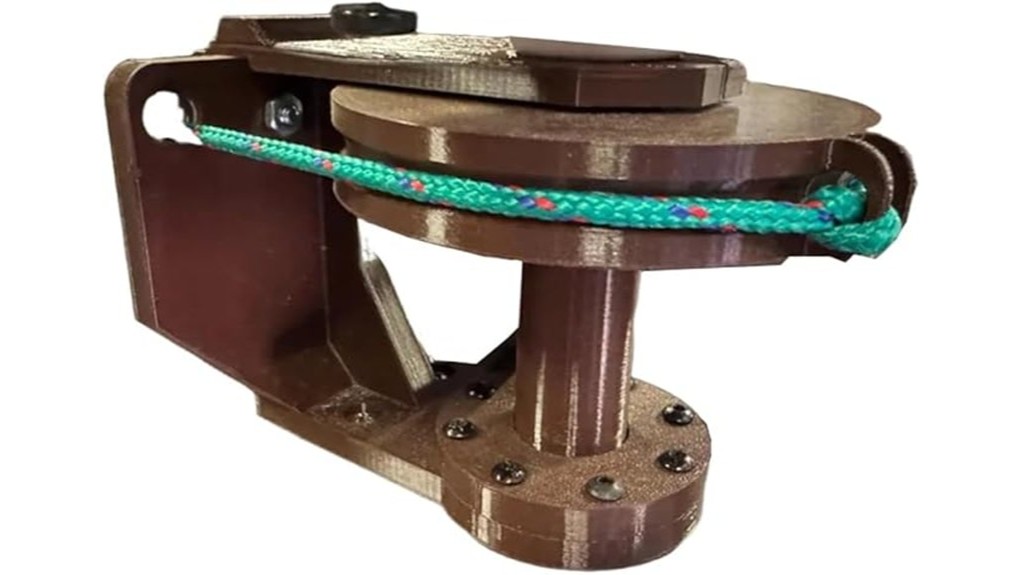
You’ll get hands-free, precise steering for your Watersnake 12V that keeps your kayak on line and cuts down on constant throttle fiddling. Setup is straightforward with labeled hardware, templates, and adapters for most decks; route cables tidy to avoid snags. Steering responds to small pedal or arm inputs for smooth lane holding, quiet operation that won’t spook fish, and lower battery draw. Keep fasteners checked and rinse after salt use — more specifics follow below.
Some Key Takeaways
- Hands-free steering maintains precise tracking and reduces constant throttle adjustments for more effective kayak trolling.
- 18 lb thrust pairs well with typical kayak loads, offering steady trolling speeds and reliable contour following.
- Responsive steering arm and cable enable subtle inputs for immediate, smooth directional changes and lane holding.
- Quiet operation and corrosion-resistant materials minimize fish disturbance and ensure durable freshwater performance.
- Quick-start hardware, multiple adapters, and clear setup instructions simplify installation on Watersnake 12V motors.
Performance in the Water: How the Steering System Handles Trolling With a Watersnake 12V
When you run the Watersnake 12V with its dedicated kayak steering system, you get responsive, hands-free control that keeps your boat tracking true while you fish; the 18 lb thrust is balanced for typical kayak loads, so the motor maintains steady trolling speeds without overworking and the precision steering mechanism translates small inputs into smooth directional changes, letting you hold lanes or follow contours with minimal correction. You’ll notice consistent speed control and subtle course corrections that reduce constant throttle fiddling. Noise levels stay low for minimal fish disturbance. Materials resist water wear, delivering dependable, predictable performance on regular freshwater trips. Designed with paddlers in mind, the system complements essential kayak gear and trip planning for adventures on the water.
Setup and Installation: Step-by-Step Mounting on Most Kayak Models
Before you mount anything, lay out the components and read the quick-start guide so you know which pieces go where; the system comes with a complete mounting kit and labeled hardware to speed the process. Position the base plate where you want steering reach, mark holes, and check for obstructions. Use the supplied template for consistent tool alignment when drilling or bolting. Attach the steering arm, confirm range of motion, then secure cable routing to avoid snagging. Account for mounting variations—flush decks, raised rails, and molded tracks—using included adapters. Tighten all fasteners, test movement, then recheck hardware after first use. Consider how this setup will integrate with your foldable kayak and other gear to ensure reliable performance on the water.
Hands-Free Steering in Practice: Precision, Responsiveness, and Fishing Convenience
With the steering arm and cable secured, you’ll notice how hands-free control lets you focus on casting and fish handling without fighting the tiller. You’ll steer with subtle inputs—foot pedals or simple adjustments—while the precision mechanism keeps course with minimal correction. Responsiveness is immediate; small course changes translate cleanly to the motor so you can track structure or follow contours. Silent operation reduces disturbance to wary fish, and efficient steering cuts motor runtime, delivering measurable battery savings during long sessions. Overall, the system frees both hands, sharpens control in tight spots, and keeps you fishing longer with less fuss. For added stability during anchoring and steady trolling, pair the steering system with essential kayak anchor gear like anchor systems to maintain position in currents and wind.
Build Quality and Durability: Materials, Marine Resistance, and Long-Term Use
Because the steering system uses high-grade composites and corrosion-resistant hardware, you can expect sturdy performance in typical freshwater and light marine conditions. You’ll notice precise fitment, reinforced joints, and sealed bearings that resist salt spray and silt. The manufacturer cites corrosion testing on fasteners and pivots; in practice you’ll see minimal pitting with routine rinsing. UV degradation is limited by stabilizers in molded parts, so panels won’t craze quickly. For long-term use, maintain seals, flush after salt exposure, and inspect mounting points annually. Overall, materials and finishes keep the system reliable for regular kayak fishing. Components like rudders and mounts benefit from marine-grade materials to ensure longevity and performance.
Who Should Buy It and Alternatives to Consider
If you fish from a kayak regularly and want hands-free, precise directional control, this steering system is a strong match—especially if you already own or plan to pair it with a Watersnake 12V motor. You should buy it if you value responsive steering, straightforward installation, and durable marine-grade parts. It’s ideal for anglers who troll often and for budget anglers seeking a reliable, cost-effective upgrade over hand-steering. If you need different setups, consider alternative mounts or universal steering kits compatible with other 12V motors, or lightweight push-pull foot pedals that prioritize simplicity and minimal hardware. Our site also recommends pairing steering upgrades with proper VHF marine radios and safety gear for smarter, safer trips on the water.
Some Questions Answered
Is the Steering System Compatible With Transom-Mounted Motors?
No — it’s not ideal for transom-mounted motors. You’ll need specific mounting adapters and a compatible steering linkage to adapt this system for transom use, and those aren’t included. You can retrofit with aftermarket mounting adapters and custom steering linkage, but you’ll have to verify fit and strength for your transom setup. For reliable hands-free control, stick with hull or kayak-compatible mounts designed for the Watersnake 12V system.
Can It Be Used on Saltwater Kayaks With Additional Care?
Yes — you can use it on saltwater kayaks with extra care. You’ll need strict corrosion prevention and regular saltwater maintenance: rinse thoroughly with fresh water after each use, apply marine-grade anti-corrosion spray to metal parts, lubricate moving components, and inspect hardware frequently for pitting or wear. Store dry and use sacrificial anodes where possible. With diligent upkeep you’ll maintain performance and extend the system’s lifespan in saltwater conditions.
Does It Affect Kayak Storage or Transport Dimensions?
Yes — it adds minimal bulk and won’t majorly change transport dimensions. You’ll need to account for hull clearance when stowing or stacking; the mount and steering arm extend slightly above the hull. Hatch access remains usable on most kayaks, but check placement: some rear hatches may be partially obstructed, so plan gear layout. Remove or fold the steering arm for tight storage or roof-rack trips to save space and avoid snags.
Are Replacement Parts and Customer Support Available Locally?
Yes — you can get replacement parts and support locally. Local vendors often stock common hardware and mounting components, and they can advise on fit and installation. You’ll also find aftermarket options for wear items like screws, clamps, and linkages if OEM parts aren’t available. Contact nearby marine shops or kayak outfitters for parts and service; they’ll help source components quickly and provide practical, hands-on assistance when needed.
What Is the Warranty Period and What Does It Cover?
The warranty duration is typically one year. You’ll get coverage details that include defects in materials and workmanship under normal freshwater use, plus repair or replacement of faulty components. Wear from misuse, accidental damage, and corrosion from improper maintenance aren’t covered. You’ll need proof of purchase for claims, and customer support handles approvals. Check your specific warranty card for exact terms and any extended options.