You’ll get a pocketable, retro-styled mirrorless that favors deliberate, in-camera creativity over raw sensor prowess. It uses an 18MP one-inch-class sensor with a fixed wide lens, tactile shutter/exposure dials, an optical viewfinder, and direct Instax printing support. Film Camera and 2-in-1 modes produce JPEG-ready imagery with film simulations and filters, while video is limited to 1080/1440p. Expect modest dynamic range, battery life, and accessory options; keep going to see detailed strengths and trade-offs.
Some Key Takeaways
- Compact, 240 g mirrorless-style camera with retro film-camera styling and pocketable ergonomics.
- 18MP one-inch class sensor and fixed wide-angle lens deliver crisp JPEGs with modest dynamic range.
- Creative-first features: Film Camera mode, 2-in-1 capture, 13 Film Simulations, and 26 analog filters for in-camera looks.
- Optical viewfinder, tactile dials, and minimal menus favor deliberate, instant-style workflows and quick physical printing.
- Drawbacks include small sensor, modest battery life, limited accessories, no weather sealing, and basic 1080p/1440p video.
What the FUJIFILM X Half Actually Is and Who It’s For
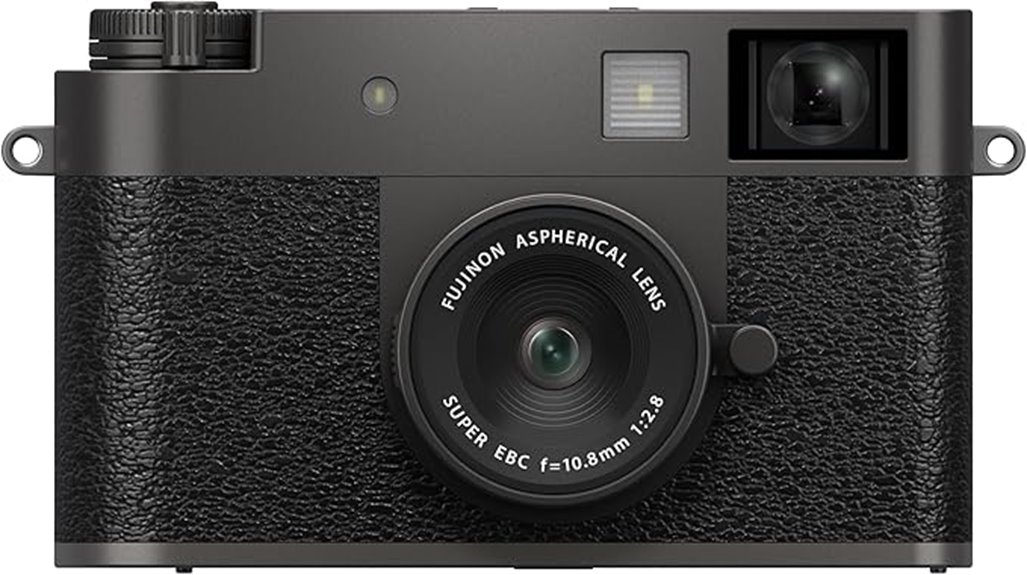
While it looks like a retro film camera, the FUJIFILM X Half is a compact, one-inch sensor mirrorless-style digital camera aimed at casual shooters and creative hobbyists who want instant-style output and tactile controls. You’ll get an 18MP fixed wide-angle setup, optical viewfinder, and direct Instax printer compatibility for physical output. Modes like Film Camera and 2-in-1 let you sequence captures for deliberate results. ISO 100–6400 and select manual controls give modest exposure latitude. It’s suited for street photography and functions well as a lightweight travel companion, prioritizing creative workflow over pro-grade flexibility. The site also offers curated accessories and must-have essential gear for mirrorless camera enthusiasts.
Real-World Handling: Size, Controls, Viewfinder, and Build
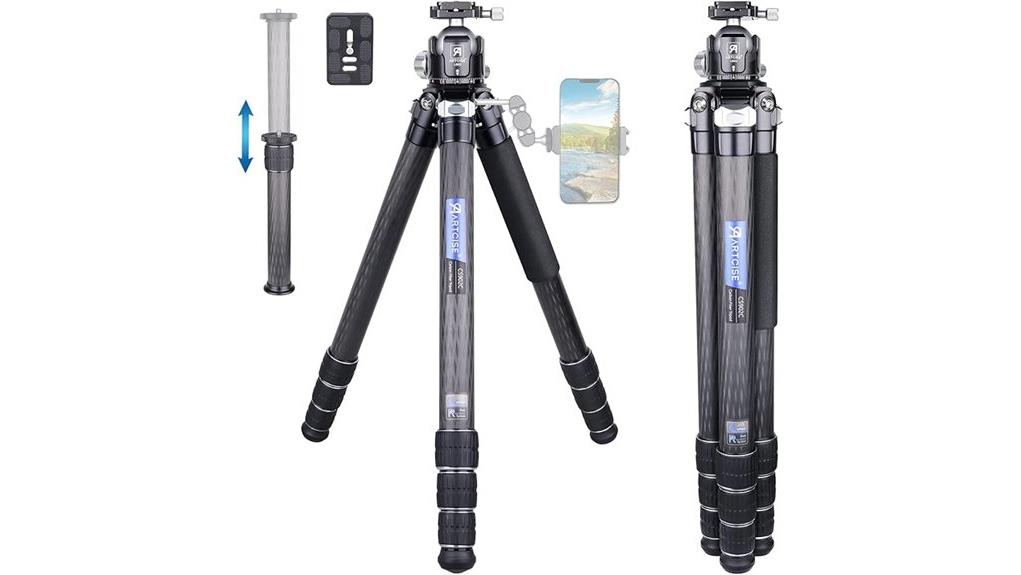
How does the X half handle in real use? You’ll notice compact ergonomics immediately: the 240 g body fits pockets and balances well with the fixed wide lens. Controls are logical and minimal; tactile dials for shutter and exposure give precise, clicky feedback without menus. The optical viewfinder offers a clear, low-latency framing reference but lacks electronic overlays. Rear upright 3:4 LCD is adequate for composition and menu navigation, though small. Build quality feels solid for daily carry, with retro film-camera styling and a Frame Advance Lever that’s robust. Water resistance isn’t provided; treat it as a careful-everyday camera. This makes it a great match for photographers who prefer shooting with compact tripods.
Image and Video Performance: Sensor, Lens, Film Simulations, and Modes
Because the X half uses a one-inch class sensor coupled to an 18-megapixel effective resolution and a fixed wide-angle lens, you'll get a predictable, compact imaging system optimized for daylight and casual shooting. You’ll capture crisp JPEGs with restrained noise up to mid ISO; dynamic range is modest compared with larger sensors, so preserve highlights and recover shadows cautiously. The fixed lens produces consistent sharpness and minimal distortion within its limited field. Video records MP4 at 1080p/1440p; expect basic stabilization and occasional rolling shutter on fast pans. Film Simulations provide immediate aesthetic variety without RAW workflow. For consistent color and exposure results when shooting JPEGs, consider using a color checker during setup and testing.
Creative Features That Matter: 2-in-1, Film Camera Mode, Filters, and App Workflow
Although it looks like a simple compact, the X half packs creative tools that change how you shoot and share: the Frame Advance Lever and 2-in-1 mode let you combine two captures (image/image, video/video, image/video) into a single file in-camera, Film Camera mode enforces roll-based shooting with selectable Film Simulations and fixed roll lengths (36/54/72) for a deliberate workflow, and the 13 Film Simulations plus 26 analog-style filters provide instant, JPEG-ready looks without post-processing—while the dedicated X half app and direct instax printer compatibility streamline sharing and physical output. You’ll work intentionally: no review in roll mode, preset film looks reduce edit time, and in-camera 2-in-1 files are ready for mobile printing or rapid social sharing via the app. The X half is an excellent companion for photographers using bi-color video lights to create consistent, editable lighting for both stills and video.
Buy-or-Skip Verdict: Key Pros, Drawbacks, Alternatives, and Final Recommendation
If you want a pocketable, creative-focused camera that enforces deliberate shooting and makes in-camera looks and instant combos easy, the Fujifilm X half delivers a distinct, fun workflow; if you need high image quality, speed, or weather sealing, it’s not the right choice. You’ll appreciate printer integration, color accuracy from Film Simulations, and compact ergonomics. Limitations: small one-inch sensor, modest battery life, and limited accessory compatibility reduce versatility for professionals. Alternatives to ponder are higher-sensor mirrorless or advanced compact cameras if you prioritize dynamic range, fast autofocus, or weather sealing. Buy if you value instant creative outputs. The site also offers a broad selection of digital cameras and accessories for enthusiasts.
Some Questions Answered
Does It Include a Battery and Memory Card in the Box?
No, the package doesn’t specify battery inclusion and it doesn’t list a memory card. You’ll need to supply power and storage separately. For battery inclusion, expect a manufacturer battery sold or shipped separately under warranty terms. For memory compatibility, the camera records JPEG/MP4 to internal or removable storage compatible with common SD/SDHC formats (confirm exact card type in manual). Check retailer listing or Fujifilm support for definitive packing contents.
Can I Use Third-Party Instax Mini Film With Direct Printing?
Yes — you can use third-party instax mini film with direct printing, but film compatibility varies and may affect print quality. You’ll need film sized for Instax Mini; non-brand films that match physical specs will generally work through the X half’s direct-print workflow and app. Expect possible differences in color accuracy, contrast, and stability versus Fujifilm-branded media. Test samples first for reliable results and to confirm exposure and color rendering.
Is There Bluetooth or Wi‑Fi for Full Wireless Transfer?
No — the camera doesn’t support Bluetooth pairing or Wi‑Fi transfer for full wireless file transfer. You’ll rely on the dedicated X half app and direct connection to select instax printers for sharing and printing; smartphone compatibility implies wired or app-driven workflows rather than native wireless file sync. Use the app’s development and sharing features; firmware or accessory updates from Fujifilm could change connectivity later, so check support documents.
What Chargers or Cables Are Compatible With the Battery?
You can charge the battery using a USB C charger for direct charging or Fujifilm’s proprietary dock for bench-style charging. Use a USB-C power adapter that supplies standard 5V/2A (or USB PD within device limits) and a quality USB-C cable. The proprietary dock guarantees correct polarity and contacts for safe charging and battery recognition. Don’t use unapproved third-party docks or non-compliant fast chargers to avoid damage or voiding warranty.
Are Firmware Updates User-Installable via the X Half App?
Yes — you can install firmware updates via the X half app. You’ll use the app to handle firmware management: the camera connects to your smartphone, the app checks for updates, and you initiate installation. Make sure you grant required app permissions (Bluetooth/Wi‑Fi, storage) before starting. Follow on‑screen prompts, keep battery charged, and avoid interrupting the transfer. The process is user‑driven and completes automatically once verification finishes.