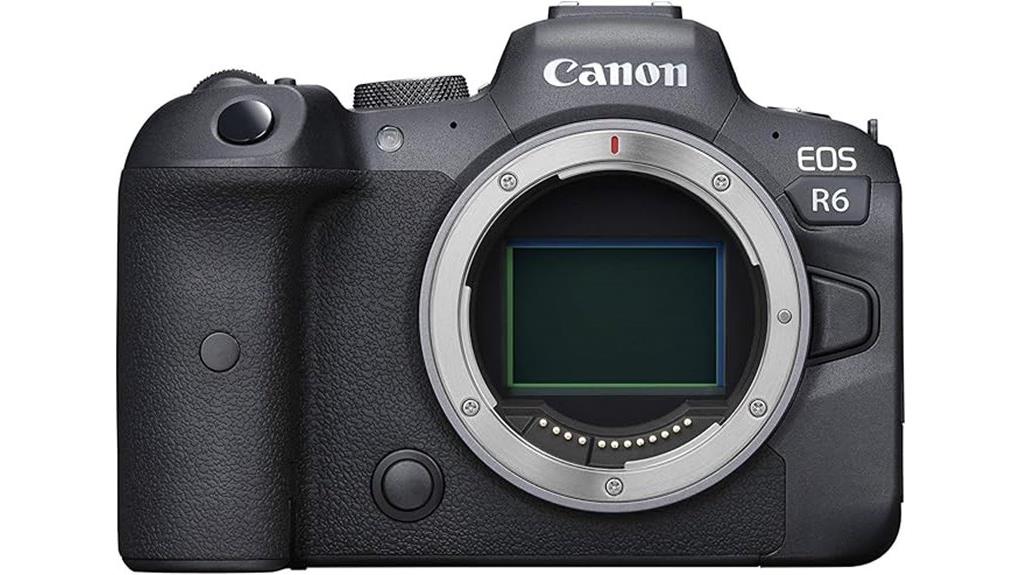
You’ll get pro-grade autofocus, reliable low-light files from a 20MP sensor, and fast shooting in a renewed Canon EOS R6 that favors speed and noise control over resolution. Dual Pixel AF with 1,053 areas locks quickly and tracks people and animals well, though very dim or chaotic scenes can trip it up. Mechanical 12 fps and silent 20 fps options suit action and discreet work. Inspect wear, shutter count, and seals before buying to confirm condition—more specifics follow.
Some Key Takeaways
- Excellent low-light performance with a 20MP sensor, controlled noise, and strong tonal retention up to high ISOs.
- Dual Pixel CMOS AF with 1,053 zones delivers fast, reliable subject tracking and eye/animal recognition in most conditions.
- Mechanical 12 fps and silent electronic 20 fps options support action shooting, balanced against buffer limits with large RAW files.
- Renewed bodies can offer pro-grade handling and durability, but inspect shutter count, contacts, seals, and functionality before purchase.
- Best for enthusiasts prioritizing speed, AF, and low-light capability over higher megapixel resolution for heavy cropping.
Real-World Image Quality and Low-Light Performance (20MP Sensor, ISO Range)
Although it only clocks 20 megapixels, the EOS R6 delivers images with impressive detail and clean tonal gradation, and you'll notice its strengths most in low-light work. You’ll appreciate how the DIGIC X and sensor manage dynamic iso, letting you push sensitivity without grotesque artifacts. Noise is controlled, and tonal retention through shadows and highlights stays convincing at high ISOs, preserving texture and color. You can shoot handheld in dim venues and still extract usable files. Critically, resolution limits cropping latitude compared with higher-megapixel models, so plan framing, but low-light competence remains outstanding. Keep your camera sensor pristine with regular care and proper cleaning using sensor swabs to maintain image quality.
Autofocus and Tracking in Action (Dual Pixel AF, 1,053 AF Areas, People/Animal AI)
Good low-light performance matters less if your focus misses the moment, and the R6’s Dual Pixel CMOS AF is built to keep pace. You’ll get broad coverage across 1,053 AF areas that locks quickly and holds subjects reliably. Low light AF remains impressive; contrast and phase fusion reduce hunting but won’t eliminate occasional slips in extremely dim, busy scenes. People and animal recognition via Eye tracking AI is effective, intuitively prioritizing faces and body position, though rapid occlusion can confuse it. Overall, you’ll trust the system for most run-and-gun situations, but still verify focus on critical frames. Check our selection of mirrorless camera gear to get the most from your R6.
Speed and Handling for Action Shooters (12 Fps Mechanical, 20 Fps Silent)
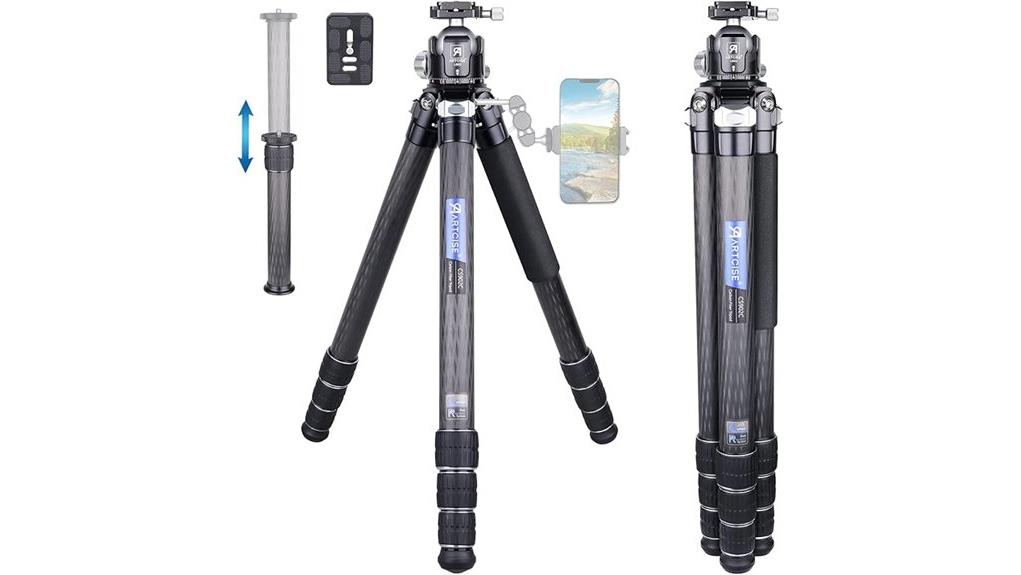
Push the R6 into action and you'll feel how the camera balances speed with control: its mechanical shutter delivers up to 12 fps with predictable rolling-shutter behavior and durable performance, while the electronic shutter lets you shoot silently at 20 fps for fleeting moments or discreet environments. You’ll appreciate responsive AF and tracking, but buffer management matters — large bursts fill quickly with high-bit RAW, so plan card speed and burst length. Button ergonomics largely help: the grip, dedicated AF-ON and customizable controls let you stay on subject under pressure. Still, expect trade-offs between frame rate, file size, and usable burst duration. For photographers using tripods and related gear, choosing a stable support can help maintain sharpness during fast-paced shooting.
Renewed Body Condition, Durability, and What to Inspect Before Buying
Because a renewed R6 has already lived a life, you should inspect it with the same rigor you'd give any used pro body: check the mount and lens contacts for wear or play, run a sensor dust and pixel test, verify shutter actuation count and look for inconsistent exposures or strange noises, and confirm all buttons, dials, the EVF, LCD, and IBIS function smoothly. Do a thorough cosmetic inspection for impacts, dents, or loose grips. Test battery health and charging behavior. Probe weather sealing by examining gasket integrity around doors. Check firmware updates and confirm serial numbers against service records to spot hidden repairs or part swaps. Also consider protecting the camera during transport with a sturdy Pelican case to prevent future damage.
Who Should Buy the Renewed EOS R6 and How It Compares to Alternatives
After you’ve checked the renewed R6 for wear, functionality, and firmware, decide whether its strengths match your shooting needs. If you’re a budget conscious enthusiast, the R6 delivers pro-level autofocus, low-light performance, and fast burst rates at a reduced price versus new. Hybrid creators will appreciate reliable subject tracking, silent 20 fps shooting, and strong video/image balance. Compared with higher-resolution rivals, it sacrifices megapixels for speed and noise control; compared to entry-level bodies, it offers superior AF and build. Buy it if you prioritize responsiveness and tracking over resolution, and can accept a renewed warranty. This site focuses on products and advice for enthusiast photographers, so be sure the renewed R6 fits your overall gear strategy.
Some Questions Answered
Does the R6 Support In-Body Image Stabilization (IBIS)?
Yes — you get in body stabilization on the R6. You’ll benefit from a sensor shift mechanism that provides up to about 5 stops of shake correction, helping handheld low‑light and telephoto work. It’s effective with many lenses, but don’t expect miracles: extreme motion or very slow shutter speeds still need support. You’ll want to pair it with stabilized lenses and use proper technique for best results.
What Video Recording Resolutions and Frame Rates Are Available?
You can record 4K 60fps internally and FullHD 120fps for slow motion, though 4K may be cropped in some modes and long 4K clips can hit thermal limits. You’ll get clean, usable footage with the DIGIC X and good low‑light ISO performance, but be critical about rolling heat and potential crop when comparing to rivals. Use FullHD 120fps for reliable high‑frame slow motion.
How Long Does Battery Life Typically Last per Charge?
You’ll typically get about 350–400 shots per charge with mixed use, and roughly 80–120 minutes of continuous video, though results vary. Because this is a renewed body, battery aging can cut those numbers substantially; factor in reduced capacity and more frequent swaps. Use aggressive power management — turn off Wi‑Fi, reduce screen time, and use ECO modes — to stretch runtime and mitigate the effects of aging batteries.
Which Memory Card Types and Slots Does It Have?
It uses dual slots and accepts SD cards with UHS II support in one slot for faster write speeds while the second slot supports UHS-I. You’ll benefit from putting a fast UHS-II card in the primary slot for continuous shooting and buffer clearing, and use the secondary slot for overflow, backup, or slower cards. Be critical: relying on one UHS-II card limits redundancy, so plan card strategy for reliability and speed.
Is There Built-In Wireless Connectivity and Remote Control Options?
Yes — you get built-in Wi‑Fi and Bluetooth, so you can use wireless tethering and control the camera remotely. You’ll pair it with Canon’s Camera Connect or EOS Utility for Remote app control, live view, file transfer and basic settings changes. It’s reliable for studio and field work, but expect occasional lag with high-res previews; wired tethering still outperforms for absolute speed and stability.